
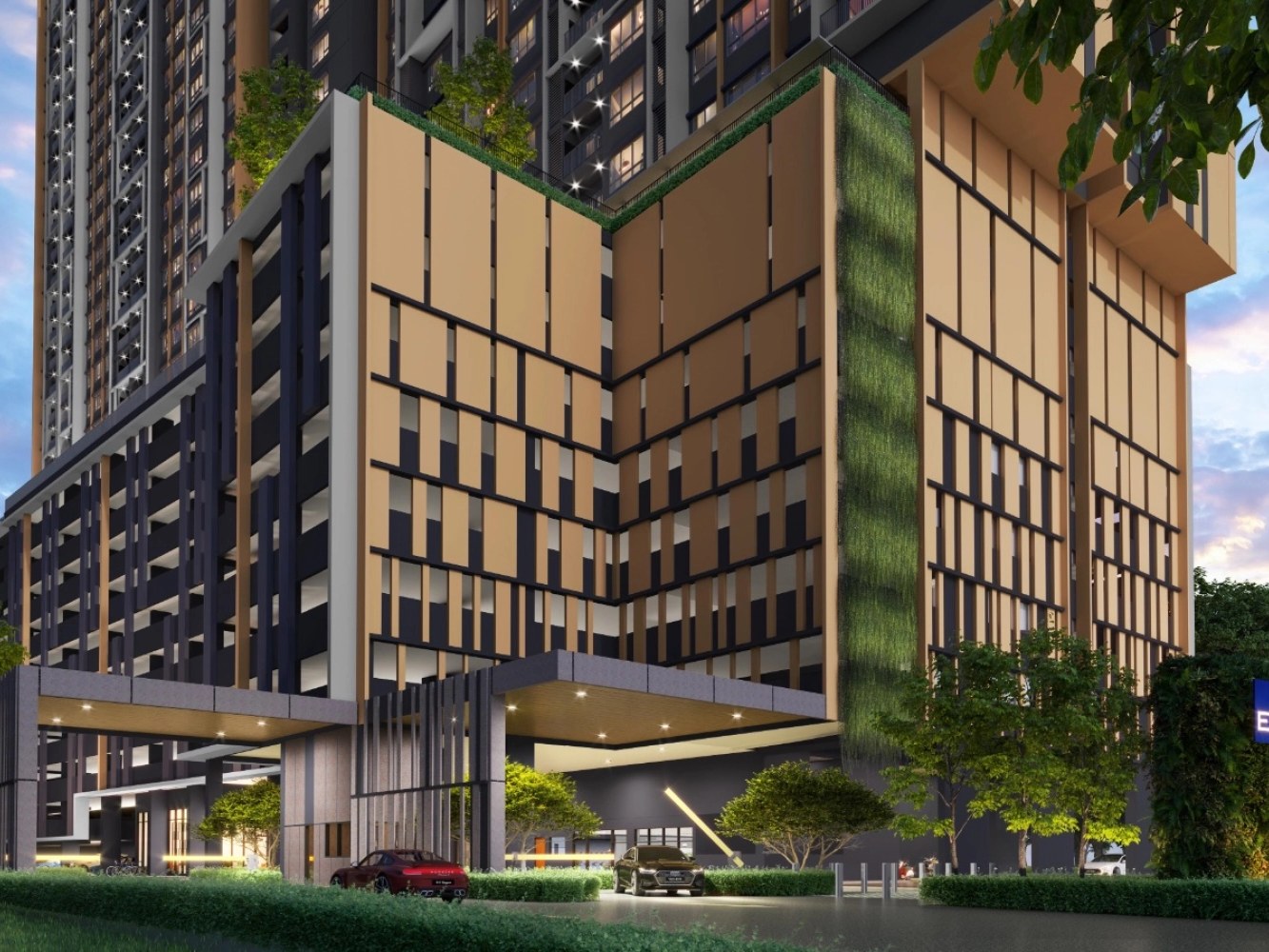
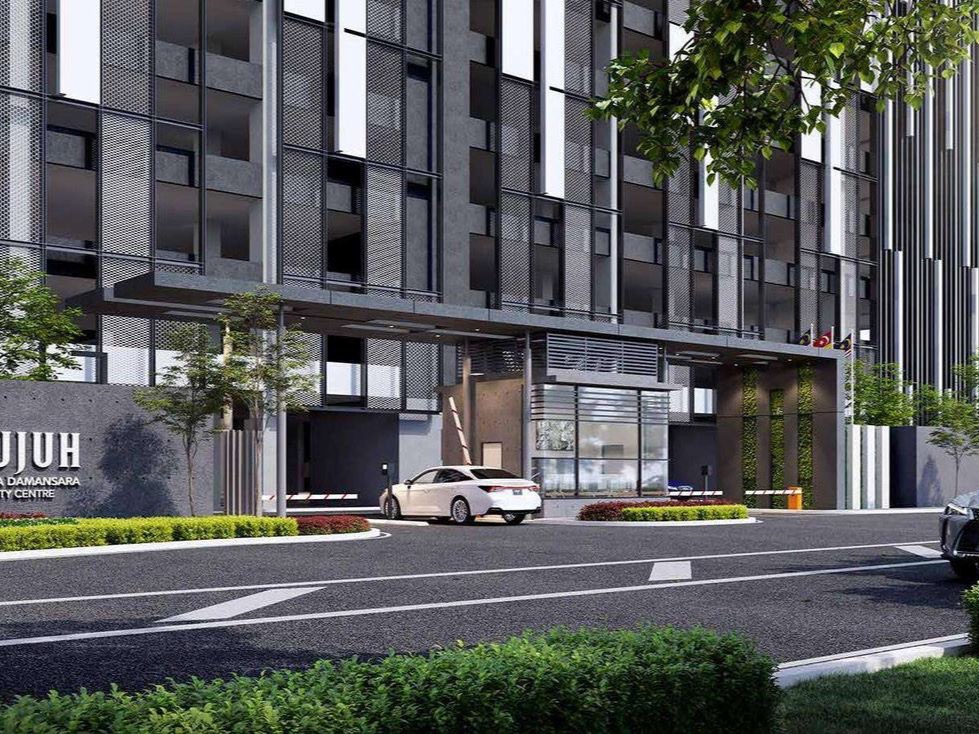
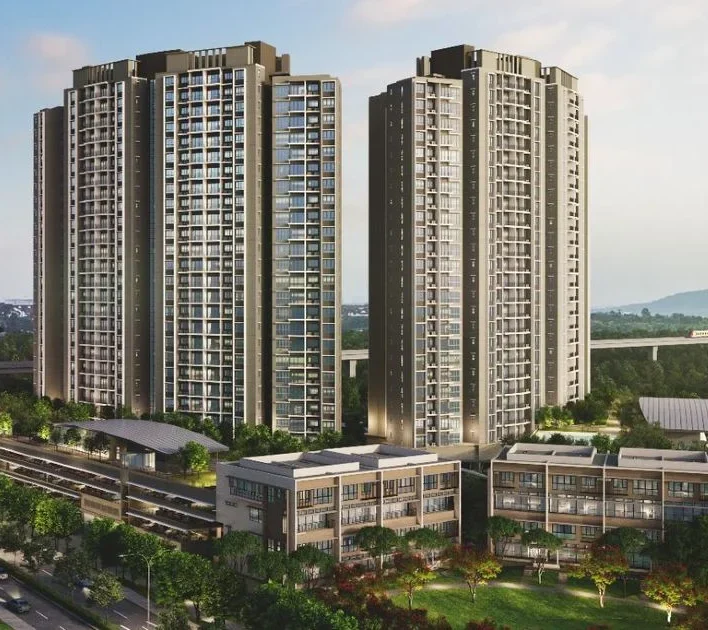

Choose D’Evia for space and value; choose Tujuh for KDCC positioning and timing
I personally prefer D’Evia. At a similar purchase budget, its 958 sq ft three-bedroom option gives buyers more usable internal space than the smaller Tujuh choices I am comparing. That makes the D’Evia proposition easier to justify for own stay and gives it a lower entry position for an investment comparison based on current packages.
Tujuh is not a weaker project in every respect. Its location inside KDCC and closer relationship with Kwasa Sentral MRT are meaningful advantages. It also suits buyers who prefer a smaller unit and an earlier completion timeline.
My overall pick
D’Evia because the current package and larger layout deliver a stronger space-for-money proposition.
Own-stay pick
D’Evia for a more practical three-bedroom home with less wasted circulation space.
Location pick
Tujuh for KDCC positioning and the easier MRT relationship.
Timing pick
Tujuh for buyers who want an earlier completion and are financially ready for the nearer handover.
Jack’s view: D’Evia is the stronger all-round value choice, while Tujuh deserves the shortlist when MRT convenience and earlier completion outweigh internal space.
Why D’Evia feels more worthwhile at a similar overall budget
The headline purchase price alone can be misleading. My comparison is based on what the buyer receives for that commitment. Under the current package I am seeing, approximately RM600,000 can reach a D’Evia 958 sq ft three-bedroom unit, while a similar budget at Tujuh generally points toward a smaller layout.
D’Evia therefore has the stronger price-per-square-foot story in this comparison. That does not automatically make it cheaper to own: buyers still need to compare the exact net price, down payment, progressive interest, maintenance, car parks and included specifications.
More floor area
The 958 sq ft D’Evia layout gives a household more room to live, work and store belongings.
Lower price per sq ft
Jack’s current package comparison favours D’Evia on space received for the purchase commitment.
Both are bare units
Budget separately for renovation, lighting, curtains, appliances and movable furniture.
Verify live packages
Compare written net prices and inclusions for the exact units on the same day.
The D’Evia 958 sq ft butterfly layout is the standout plan
The D’Evia 958 sq ft type is my preferred layout because it uses a butterfly-style arrangement with the rooms organised around the central living space. It avoids a long internal corridor that consumes floor area without adding daily function.
This is a relatively unusual configuration within the current Kwasa Damansara choices. Buyers should still test furniture dimensions, bedroom privacy, kitchen ventilation and the exact facing, but the core plan gives D’Evia a clear usability advantage for me.
Minimal corridor waste
More of the purchased floor area contributes directly to rooms and shared living space.
Practical three bedrooms
The configuration is suitable for a couple planning children, a small family or a flexible study room.
Distinctive Kwasa option
The layout gives buyers an alternative to more conventional long-corridor plans.
Inspect the exact unit
Stack, facing, view, ventilation and room dimensions can still change the experience.
Tujuh has the better immediate KDCC and MRT position
Both projects are part of the wider Kwasa Damansara growth story and both can be described as near Kwasa Sentral MRT. The important distinction is relative: Tujuh is better positioned inside KDCC and is closer to the station, while D’Evia requires a longer approach.
A buyer who intends to use MRT frequently should test the real walking route, crossing points, weather protection and construction conditions instead of relying on a straight-line distance. For drivers, the route to Kota Damansara and regular work destinations may matter more than the station alone.
Tujuh advantage
Stronger KDCC positioning and closer MRT convenience.
D’Evia context
Still near Kwasa Sentral MRT, but farther than Tujuh in this direct comparison.
Township upside
Both can benefit if Kwasa Damansara and KDCC mature as planned.
Present-day reality
Parts of the township remain early-stage, so buyers must separate current conveniences from future plans.
Which is better for own stay and which is better for investment?
For own stay, I choose D’Evia because the larger three-bedroom plan is more practical for daily family life. Usable space has a lasting benefit that is difficult to replace after purchase.
For investment, my current preference is also D’Evia because the entry commitment and price per square foot are more comfortable in the package I am comparing. This is not a promise of appreciation or rental return. Investors must still compare future competing supply, achievable rent, vacancy, maintenance and holding period.
D’Evia own stay
Best for couples, growing families and buyers who need a real third room or study.
D’Evia investment case
Lower current entry and practical space may broaden the future tenant or resale audience.
Tujuh own stay
Suitable for buyers who prefer a smaller home, stronger MRT convenience and earlier completion.
No guaranteed winner
Township execution, future supply and the actual purchase package will influence the final outcome.
The strengths and weaknesses buyers should not ignore
D’Evia’s advantages are its recognised developer, value position, useful layout range and proximity to MRT within the wider township. Its compromises are a bare-unit handover and a farther MRT relationship than Tujuh.
Tujuh benefits from its KDCC location, closer MRT positioning, recognised developer and earlier completion. Its compromises are a higher price per square foot, bare-unit renovation needs and dependence on the wider KDCC area taking time to develop fully.
D’Evia concern
The lower price-per-square-foot story must be weighed against the longer wait and a less direct MRT position.
Tujuh concern
A buyer pays more per square foot and receives less internal space at a similar total budget.
Shared concern
Both bare units require a realistic renovation and furnishing budget.
Township concern
Construction, temporary emptiness and evolving amenities are normal early-stage township realities.
Who should choose D’Evia and who should choose Tujuh?
Choose D’Evia when you are value-conscious but still want practical three-bedroom space. It is especially relevant to couples planning ahead, young families, owner-occupiers and investors who prefer a lower current entry position over the closest possible MRT relationship.
Choose Tujuh when being inside KDCC, getting closer MRT access and receiving the unit earlier matter more than floor area. It can suit singles, couples, smaller households and buyers who are financially prepared for an earlier completion and the payments that come with it.
D’Evia suits
Couples planning children, small families, practical own-stay buyers and value-led investors.
Tujuh suits
Singles, couples, MRT users and buyers who want a smaller unit with earlier completion.
D’Evia may not suit
Buyers who need the shortest possible walk to MRT or cannot wait for later completion.
Tujuh may not suit
Families who need more internal space or buyers who are sensitive to a higher price per square foot.
My choice is D’Evia, but Tujuh wins two important categories
I recommend D’Evia for buyers seeking a practical three-bedroom home at a reasonable current price. The 958 sq ft butterfly layout, stronger space value and lower entry position make it the more convincing overall package for me.
Tujuh remains the better choice when the buyer prioritises KDCC positioning, closer MRT access and faster completion. Buyers should make the decision only after comparing exact units, written packages, renovation budgets and the real route to the station.
Choose D’Evia for practical three-bedroom space and value. Choose Tujuh for closer MRT convenience, KDCC positioning and earlier completion.