Is Zenia better for own stay or investment?
I see a case for both own stay and investment, with different reasons for each home type. A CondoVilla has a lower entry price and may offer more rental flexibility; its actual rent still needs matched evidence and a holding-cost calculation. I would buy a Parkhome primarily for long-term family living or potential capital appreciation, rather than make rental income the main reason. More residents and commercial activity could support values over time, but appreciation is not guaranteed.
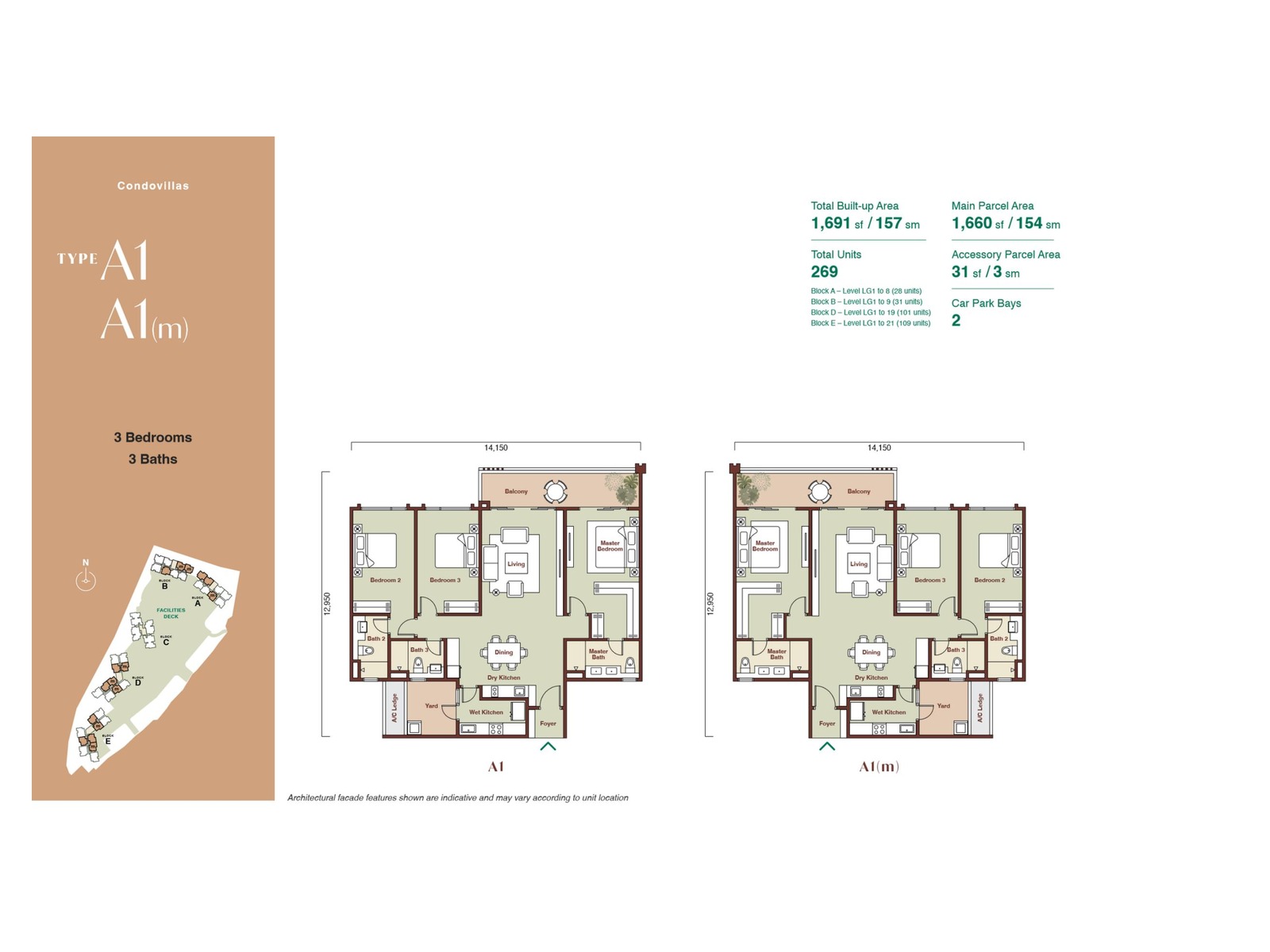
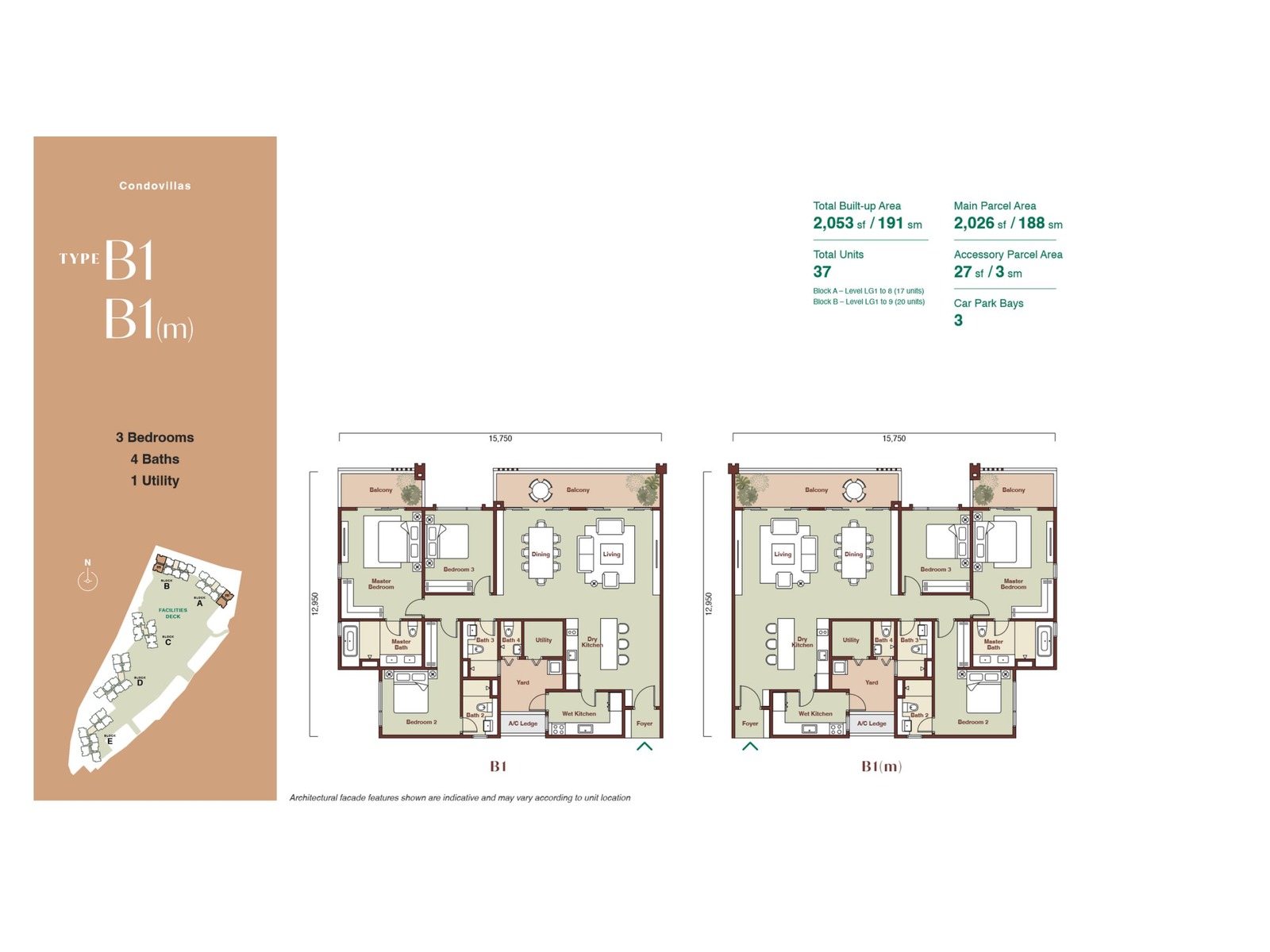
I see the layouts working for a family over ten years or more. At the Type A starting guide, RM1.25 million divided by 1,691 sq ft is about RM739 per sq ft; RM1.5 million divided by 2,053 sq ft is about RM731 per sq ft. These examples explain why I would compare the space value, but they are not a project-wide average or proof of future returns.
Why Zenia makes the strongest sense as a family home
Zenia offers unusually large new-launch formats for the Damansara market. The public CondoVilla shortlist starts with Type A1 at 1,691 sq ft and Type B1 at 2,053 sq ft, while the selected Parkhomes provide 3,150 to 3,980 sq ft across three levels.
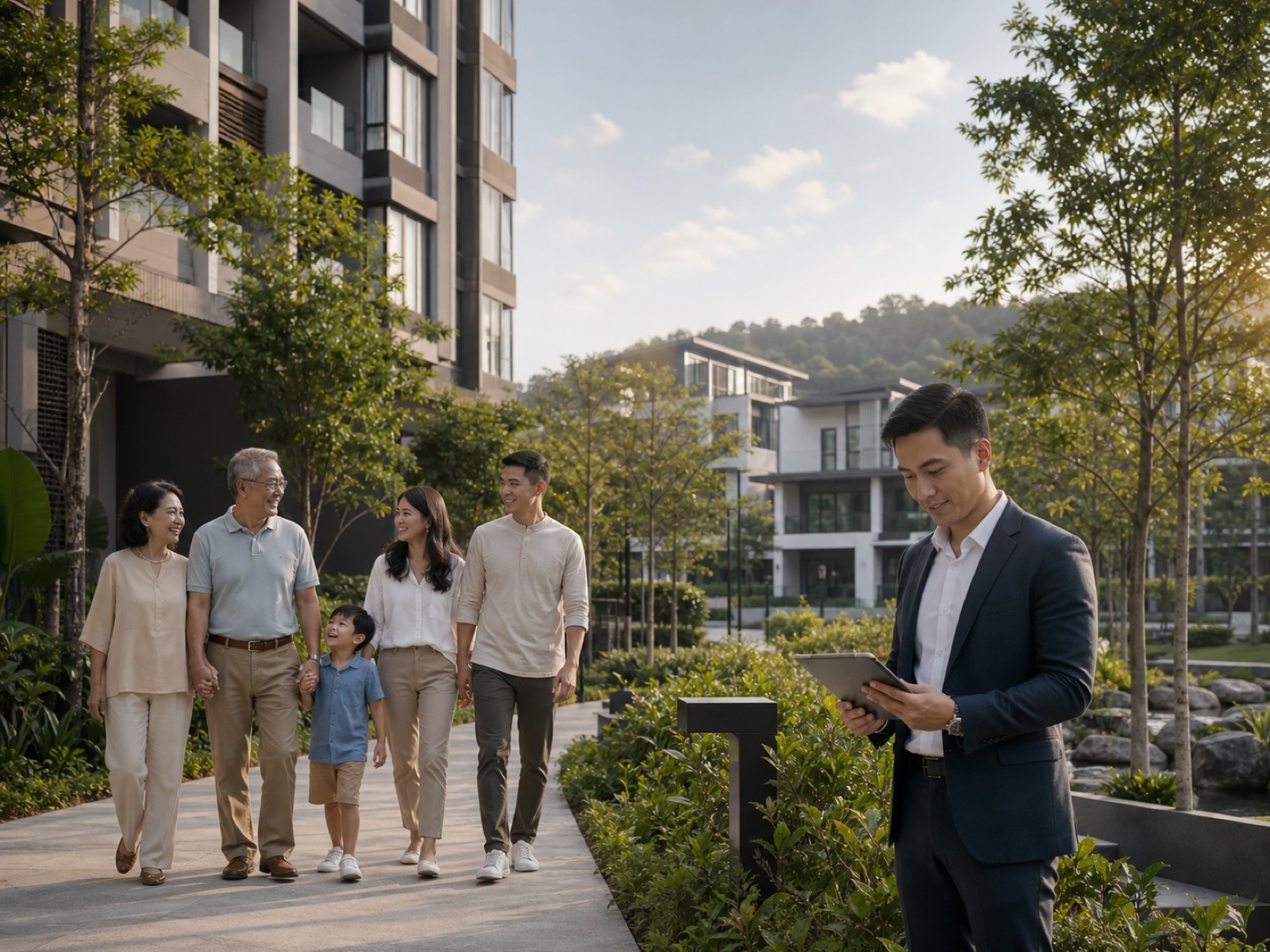
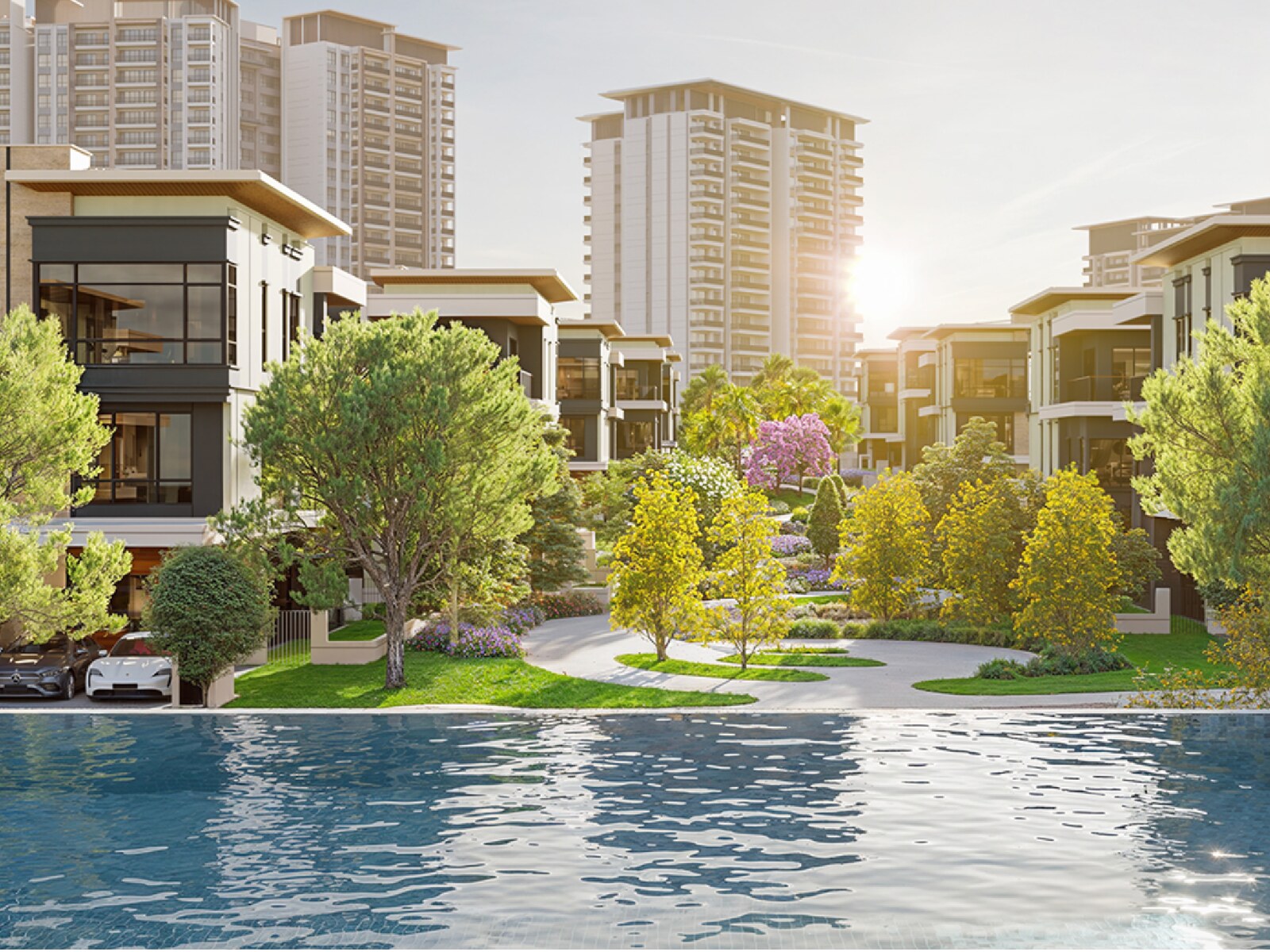
Those layouts, together with greenery, a stated density of 20 homes per acre and the wider ParkCity community concept, create benefits an owner can use directly. The household does not need a future price increase to enjoy more space, practical rooms and a planned residential environment.
What an investor must prove before relying on the township story
The first residential phase of a recognised township developer can attract long-term attention, but that does not automatically produce the rent or resale price an investor needs. Zenia’s large units also create a higher total entry and a smaller tenant pool than compact mass-market apartments.
A disciplined investment assessment should estimate achievable rent, maintenance, vacancy, furnishing, financing and future competing supply. It should also identify the likely tenant or future buyer rather than assuming every household will pay a premium for size or the ParkCity name.
Rent evidence
Compare realistic achieved rents for large homes in the surrounding Damansara market, not only asking rents.
Future supply
Consider later ParkCity phases and other nearby projects competing for similar households.
Holding period
Allow time for the township to mature without requiring a quick resale.
Exit buyer
Identify whether the likely future buyer is a family owner-occupier, premium upgrader or investor.
CondoVilla or Parkhome for each buying purpose?
For most owner-occupiers, the decision starts with lifestyle. CondoVillas provide large single-level living, shared security and easier lock-and-leave maintenance. Parkhomes provide scarce landed-style space and private parking, but also more stairs, renovation and upkeep.
For investment, CondoVillas may offer a lower total entry and a potentially broader future buyer pool than Parkhomes. A Parkhome investment requires a clearer premium-family demand case and stronger holding capacity because the purchase and setup costs are higher.
Both buyers must accept pioneer-phase growing pains
Owner-occupiers should expect an immediate environment that is less mature than Desa ParkCity, together with nearby construction, dust, noise and heavy vehicles as the wider township develops. Investors face the same inconvenience plus uncertainty around the timing of rental demand and future supply.
The safer decision is to buy only when the current home and finances already make sense. Township growth can strengthen the long-term outcome, but it should remain a bonus rather than a guaranteed rescue plan.
Jack’s view: Zenia is worth shortlisting for the right budget, but the strongest reason is long-term suitability, not a promised investment return.